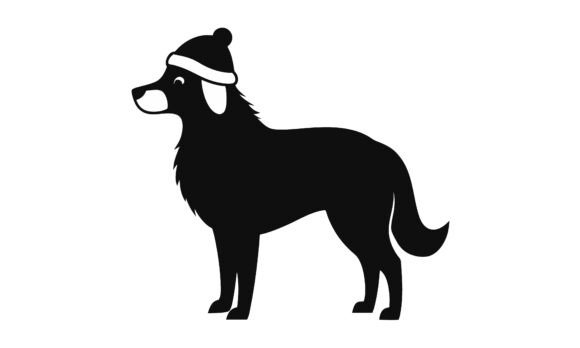
Cute Dog Wearing Winter Hat
As an experienced designer who regularly evaluates graphics for real embroidery projects, I get excited when a vector file strikes the right balance between charm and practicality. The "Cute Dog Wearing Winter Hat" design, delivered in SVG and EPS formats, immediately felt like a strong candidate for my upcoming holiday product line. This article is a hands-on review, written from the perspective of a professional who has already tested it on a tote bag and a toddler sweatshirt. I will share the real-world performance before you commit it to your own craft business or handmade product lineup.
First Look: A Silhouette with Genuine Emotional Appeal
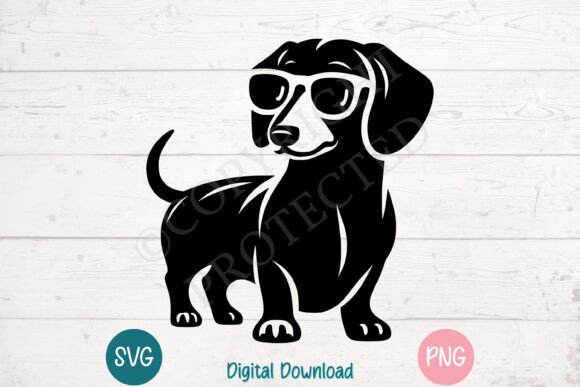
The first thing I noticed was the clarity of the silhouette. The dog's perked ears and the distinct outline of the winter hat create a mood that is both playful and cozy. There is a reason simple, recognizable shapes perform so well in embroidery. They translate beautifully into clean fill stitches or satin stitch appliques. This design feels like it belongs on a high-end boutique product or a thoughtful personalized gift. It avoids the pitfall of being too trendy, landing instead in a space of classic, seasonal charm. For target audiences like dog lovers, parents shopping for winter gear, or holiday gift seekers, this graphic has immediate visual pull. In the world of digital design assets, this Graphics file fits perfectly into the Crafts category, giving you the flexibility to adapt it to a wide range of handmade products.
From Vector to Embroidery File: What to Check Before You Digitize
Having a clean SVG or EPS file is half the battle. The quality of the original vector determines the quality of the final machine embroidery design. Before I opened my digitizing software, I inspected the paths. The separation between the dog’s head and the hat is distinct, which is crucial for assigning different thread colors or fabric pieces in an applique design. I recommend checking for any stray nodes or overlapping lines, though this file was remarkably clean. This translates directly to a smoother digitizing process, which saves time and reduces the risk of stitch errors. A clean embroidery file starts with a clean graphic, and this one delivers.
The Tote Bag Test: A Standard for Stitch Quality
I started with a sturdy cotton tote bag. This is a staple product for many small shop owners and Etsy sellers. The flat surface of a tote bag is forgiving, but it also reveals any density issues in the stitching. I hooped a medium-weight cutaway stabilizer and digitized the dog using a fill stitch, and the hat using a satin stitch. The result was a crisp, professional embroidered patch effect. The tote bag design stood out beautifully against the natural cotton. I used a bright red thread for the hat and a deep charcoal for the dog. The contrast was excellent. This would be a quick-selling item at a craft fair or in an online boutique. The satin stitch on the hat brim gave it a polished, dimensional look that adds real perceived value to the finished product.
The Toddler Sweatshirt Test: Handling Stretch and Texture
This is where many designs fail. A toddler sweatshirt presents stretchy fleece, a textured surface, and the need for a soft hand feel. I scaled the "Cute Dog Wearing Winter Hat" design down to about 2.5 inches for a chest logo. I used a cutaway stabilizer and a water-soluble topper on top. The topper is non-negotiable here because it prevents the satin stitches of the hat from sinking into the fleece's nap. The design stitched out flawlessly. The simple shapes meant no dense, hard patches of thread that would irritate a child's skin. It maintained its clarity even on the textured fabric. This is a massive win for baby embroidery and kids' apparel. The sweatshirt embroidery looked professional and soft, exactly what a parent would want for a personalized gift.
Where This Design Adds the Most Value to Your Product Line
This digital embroidery file is remarkably versatile. Here are a few specific applications where it shines:
- Holiday Gifts: Embroidered on a kitchen towel, apron, or pillow cover for a dog-loving friend or family member.
- Custom Apparel: It works on a cap, a beanie, or a hoodie. The simple silhouette is easy to read from a distance, which is great for casual wear.
- Baby and Kids: As mentioned, it is soft enough for a onesie or a bib. The playful theme is a natural fit for a nursery or a diaper bag.
- Embroidered Patches: The distinct outline makes it easy to digitize as a patch. You can sew them onto backpacks, jackets, or dog bandanas for a custom look.
- Pet Products: Consider a personalized dog bed cover or a bandana. The thematic consistency adds a layer of thoughtfulness to the product.
- Printable Mockups: The clean vector also works well for creating printable mockups for your online shop, helping customers visualize the finished product before they buy.
Critical Considerations for Commercial Embroidery and Craft Business Owners
If you are planning to sell finished products featuring this design, a few technical details can make or break your profitability and quality.
- Stitch Density: Because it is a solid silhouette, there is a risk of over-digitizing. A dense fill stitch can cause puckering on lightweight fabrics. Ensure your digitizer uses a reasonable stitch density and a proper underlay. Too dense, and the hat will feel stiff. Too sparse, and the dog will look patchy.
- Hoop Size: The design is flexible. A 4x4 hoop handles a smaller version well, but a 5x7 or 8x8 hoop gives you more room for larger products like hoodies or tote bags. Always check your hoop size before committing to a specific layout.
- Fabric Choice: Avoid lightweight, unstable fabrics without proper stabilization. Textured fabrics like thick terry or fleece require a water-soluble topper to keep the stitches crisp. Dark fabric requires a white or light-colored underlay to keep the design vibrant.
- Licensing: Always confirm the commercial use license. The product description indicates it is a digital design for DIY crafts, but you must verify if it allows for selling the finished handmade product or if it is limited to personal use. Respecting design assets is crucial for a sustainable craft business.
Practical Designer Notes Before You Start Stitching
Before you load the needle, here are a few notes from my test run that will save you time and thread.
- Test on Scrap Fabric: This is the golden rule. Stitch out the design on a fabric that mimics your final product. Adjust tension, thread colors, and stabilizer before touching the actual garment.
- Thread Color Contrast: The winter hat needs to visually pop against the dog. A white hat on a light brown dog might get lost. A red, green, or blue hat creates strong contrast and reinforces the winter theme. I recommend pulling physical thread colors and laying them against your fabric before digitizing.
- Black and White Mockups: Before digitizing, view the vector file in black and white. This helps you assess the true silhouette and contrast without the distraction of color. If it reads well in grayscale, it will read well in color.
- Stabilizer Selection: Woven cotton tote bags do well with cutaway. Knits and fleece need cutaway plus a topper. Towels need a heavy cutaway and a thick topper. The right stabilizer prevents distortion and keeps the hat looking crisp.
Final Verdict: A Reliable Asset for Your Handmade Product Line
The "Cute Dog Wearing Winter Hat" design is a well-crafted graphic that translates beautifully into a professional machine embroidery design. Its simplicity is its biggest strength. It is easy to work with, versatile across a wide range of products, and holds a high emotional appeal for customers. While it is a natural fit for winter and holiday collections, its core subject gives it year-round potential. This is a solid addition to any craft business, provided you pay attention to proper digitizing, stabilization, and licensing. It is a design that will make your customers smile, and that is always a good return on investment for your embroidery project.