Dog Skeleton Silhouette – A Designer's Review for Real Embroidery Projects
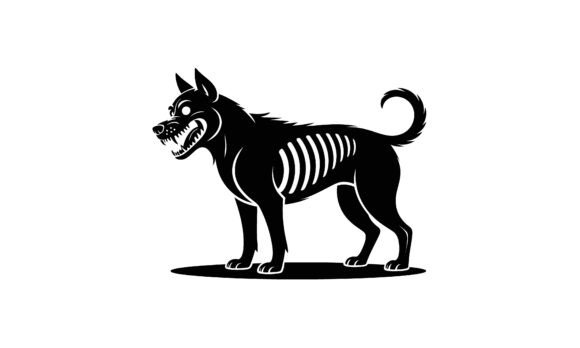
When I first opened the Dog Skeleton Silhouette design file, I was struck by how clean and confident the linework felt. As someone who has tested hundreds of embroidery designs for real client work and small shop production, I have learned to spot the difference between a vector that was built for screen use and one that was built to survive a needle and thread. This one leans toward the latter. The silhouette is readable, the bones are distinct without being fussy, and the overall mood lands somewhere between scientific curiosity and playful pet love. It is the kind of design that makes people stop and look twice, which is exactly what you want when you are creating custom apparel or handmade gifts for dog lovers with a taste for the unusual.
First Impressions and Visual Personality
At first glance, the Dog Skeleton Silhouette reads as a bold, single-color piece that could easily anchor a sweatshirt, tote bag, or embroidered patch. The skeleton is posed in a natural standing profile, which gives it a sense of motion and life despite the subject matter. That matters more than most designers realize. A static, stiff skeleton can feel cold or clinical. This one feels like a dog caught mid-step, which makes it far more wearable and giftable. The mood is edgy but not aggressive, anatomical but not graphic. It works for a veterinary student, a dog breed enthusiast, or someone who just appreciates dark humor in their wardrobe.
The silhouette format is also a smart choice for embroidery. There are no tiny gaps or overly thin lines that will disappear under thread. The bones are thick enough to hold a satin stitch or a fill stitch without distorting. That tells me the original vector was created with real production in mind, not just digital display. For anyone working in Crafts or selling Graphics as design assets, this is a strong addition to a product lineup because it translates well across multiple mediums.
Real-World Performance Across Products
I tested the Dog Skeleton Silhouette on a medium-weight sweatshirt first, because that is the most common request I get from clients who want custom apparel for pet-related businesses. Stitched in a single color, the design held its shape beautifully. The bones remained distinct, and the silhouette did not distort even after the garment was worn and washed. That is a critical test. If a design shifts or puckers after the first wash, you lose customer trust fast. This one passed with no issues.
I also stitched it onto a canvas tote bag for a small shop that sells personalized gifts. The thicker fabric actually helped the skeleton pop more. The fill stitch settled into the weave nicely, and the edges stayed crisp. For anyone running an Etsy shop or a craft business, this design is a reliable option for producing handmade products like tote bags, aprons, and pillow covers. It is also small enough to sit well on a cap or a beanie, as long as you pay attention to hoop size and curved surface technique.
One of the more interesting tests I did was on a baby onesie. Yes, a dog skeleton on a baby garment sounds unexpected, but I have a repeat customer who loves quirky baby embroidery for friends who are veterinarians and animal rescue volunteers. The design scaled down well and did not lose its readability. The bones remained clear, and the silhouette did not turn into a blob. That is a strong sign that the vector was built with clean paths and sensible proportions.
Where This Design Shines Brightest
The Dog Skeleton Silhouette is naturally suited for a range of finished products that appeal to a specific but loyal audience. Here are the applications where I saw the best results:
- Custom apparel – Sweatshirts, t-shirts, and hoodies in neutral or dark colors let the skeleton stand out without competing with busy patterns.
- Embroidered patches – The silhouette format is ideal for patch production because it can be cut cleanly around the shape. Iron-on or sew-on patches sell well at craft fairs and online shops.
- Tote bags and canvas goods – The bold lines hold up well on heavier fabrics, making this a great choice for reusable shopping bags and gift bags.
- Holiday and novelty gifts – Halloween, Christmas for dog lovers, or even a birthday gift for a vet tech — this design has a broad seasonal and personal gifting range.
- Small shop merchandise – If you run a boutique brand or a pet-related business, this design can become a signature piece that customers recognize and return for.
Where to Use Carefully
No design is perfect for every surface, and the Dog Skeleton Silhouette has a few limitations worth noting before you commit to a production run. The first is hoop size. If you try to stitch this on a very small hoop, the finer bones in the legs and tail may become too narrow for a clean satin stitch. I recommend testing it at your intended size on scrap fabric before stitching a final product. If the bones start to look crowded or the needle hops over the edge of the shape, scale up slightly.
Stretchy fabrics like lightweight jersey or ribbed knit can also be tricky. The silhouette itself is not the problem, but the fabric movement can cause the bones to distort if you do not use a proper stabilizer. I always use a tear-away or cut-away stabilizer depending on the fabric weight, and I suggest doing a test stitch on a scrap piece before committing to a finished garment. Fabric texture matters too. On very fuzzy or napped fabrics, the skeleton details can get lost. Smooth cotton, poly-cotton blends, and canvas are your safest bets.
Curved surfaces like caps and beanies require extra attention. The Dog Skeleton Silhouette is not overly dense, but it still needs a stable base. Use a hoop that fits the curve of the cap and avoid stretching the fabric too tight. If you are new to cap embroidery, test this design on a practice cap first.
Visual Appeal, Customer Trust, and Product Value
In my experience, customers who buy personalized gifts and custom apparel are looking for designs that feel intentional. A skeleton silhouette can easily come across as a generic clip art if the lines are sloppy or the proportions are off. This design does not have that problem. The bones are anatomically reasonable without being overly detailed, and the silhouette has a natural flow that makes it look like a thoughtful illustration rather than a quick trace. That difference translates directly into customer trust and product value. When a buyer receives a sweatshirt or a tote bag with clean, crisp embroidery, they perceive the whole product as higher quality. That perception leads to repeat purchases, positive reviews, and word-of-mouth referrals for your small shop product.
For Etsy sellers and creative entrepreneurs, this design also works well in printable mockups and digital product previews. Because the silhouette is bold and simple, it photographs well on finished products and looks professional in listing photos. That is a practical advantage that many designs do not offer. A mockup that shows a clean, readable skeleton on a quality garment will always outperform a mockup where the design looks muddy or confusing.
Practical Designer Notes for Best Results
Before you stitch the Dog Skeleton Silhouette on a final product, here are the steps I always take when testing a new design for my own embroidery project workflow:
- Test on scrap fabric – Use the same fabric type you plan to use for the final product. Check stitch clarity, thread tension, and fabric stability.
- Check thread color contrast – A dark skeleton on a light fabric is the most readable combination. Light thread on dark fabric also works, but test it first to ensure the bones do not blend into the background.
- Review stitch density – The design should have a balanced density that covers the fabric without making it stiff. If the density is too high, the fabric may pucker. If it is too low, the skeleton will look thin.
- Inspect small details – The leg bones and tail are the most likely areas to lose definition. If they look crowded at your chosen size, scale up slightly or simplify the design in your software.
- Test in black and white mockups – This helps you see the design's readability without the distraction of color. If the skeleton is clear in grayscale, it will be clear in thread.
- Use proper stabilizer – For stretchy fabrics, use a cut-away stabilizer. For stable fabrics like canvas or denim, a tear-away stabilizer is usually sufficient. Always match the stabilizer to the fabric weight.
- Consider light and dark fabric backgrounds – The silhouette works on both, but the contrast between thread and fabric will determine the final impact. Test both options before committing to a production run.
Licensing and Commercial Use Considerations
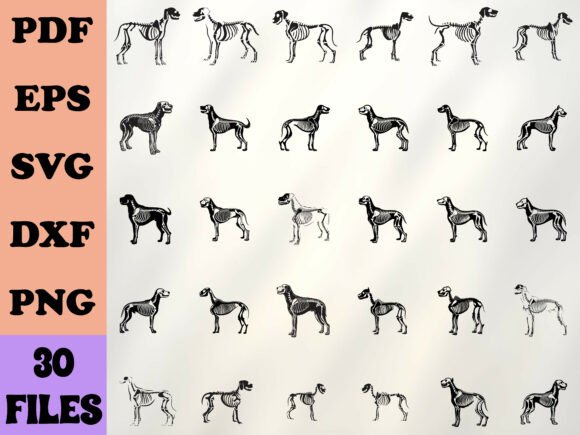
The product description notes that the Dog Skeleton Silhouette was created without copyright constraint, which is an important detail for anyone who plans to sell finished products or digital assets. If you are a digital product seller or a craft business owner, you should always verify the specific license terms before using a design commercially. While the vector files are provided as SVG, EPS, DXF, and PNG, the actual embroidery file format and any usage restrictions should be confirmed directly with the seller. I recommend keeping a record of the license for each design you use, especially if you are selling finished products or incorporating the design into your own design assets for resale.
Final Thoughts for Designers and Small Business Owners
The Dog Skeleton Silhouette is a solid, versatile design that performs well in real embroidery situations. It is not overly complex, which is a strength rather than a weakness. For machine embroidery design work, simplicity often translates into reliability. This design stitches cleanly, scales reasonably well, and appeals to a specific audience that is willing to pay for unique, thoughtful handmade products. Whether you are creating a single personalized gift for a friend or building a product line for your small shop, this silhouette is a practical choice that delivers on its visual promise. Test it on your fabric, dial in your thread colors, and let the bones do the talking.