Dog Dad Paw Typography
First Look at a Design That Knows Its Audience
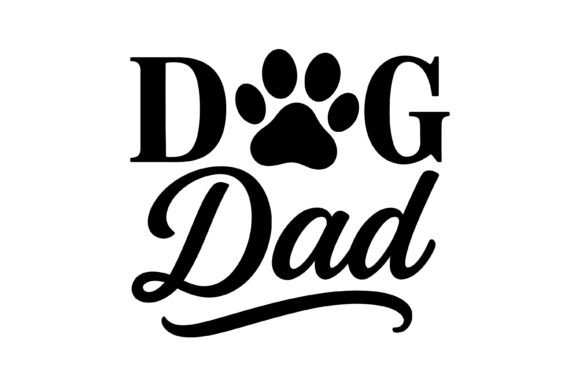
When I first opened Dog Dad Paw Typography, I was curious how a phrase that has been done many times would hold up under real embroidery conditions. The name alone signals a clear target: someone who loves their dog like a child and wants the world to know. That is not a small market. What impressed me right away is how the layout balances the typography with the paw element. The paw is not an afterthought. It is integrated into the composition in a way that feels natural, not forced. The overall mood is warm, playful, and proud without tipping into overly sentimental territory. That matters for a design meant to go on custom apparel, personalized gifts, or handmade products that people will actually wear and use.
The visual personality here leans modern and clean. The lettering has enough presence to read well at a distance, which is critical for sweatshirt embroidery, tote bag design, or anything displayed on the front of a garment. The paw adds a graphic anchor that gives the layout weight. It does not feel like a sticker slapped onto text. It feels like part of the message. For anyone running a craft business or selling on Etsy, that kind of cohesion builds trust. Customers notice when a design looks like it was thought through.
Real Scenario: Prepping a Dog Dad Tote for a Client
A client reached out last month wanting a custom gift for her brother, a new dog owner who had fully embraced the dog dad identity. She wanted something sturdy, useful, and personal. We decided on a heavyweight canvas tote bag design with Dog Dad Paw Typography centered on the front panel. The canvas had a medium texture, not too smooth, not too rough. That fabric works well with most machine embroidery design files because it holds stitches cleanly without shifting too much.
I tested the layout on scrap canvas first. That is standard practice for any embroidery project, but especially when the design has both text and graphic elements. The paw detail stitched out cleanly. The lettering remained sharp even in the smaller curves of the letters. I used a medium weight cutaway stabilizer and a 60 weight bobbin thread to keep the back tidy. The client wanted the design in a single thread color, a rich bark brown, which gave the whole piece a refined, understated look. She added a leather tag on the side with the dog's name. The finished product felt premium. It did not look like a quick print. It looked like commercial embroidery you would find in a boutique.
That is the kind of result this design delivers when you take the time to set it up properly. It does not fight you. It behaves predictably, which is exactly what you want when you are running a small shop and need consistency across multiple orders.
How the Design Performs Across Real Embroidery Projects
Dog Dad Paw Typography works across a surprisingly wide range of products, but not every application is equal. Here is where I have seen it perform best and where I would use it myself.
Custom Apparel and Sweatshirt Embroidery
On a classic crewneck sweatshirt, this design sits perfectly in the center chest area. The proportions are compact enough to fit without crowding the seams. The text reads clearly even in a satin stitch or fill stitch, and the paw adds just enough detail to catch the eye without overwhelming the garment. For holiday embroidery projects, pairing this design with seasonal thread colors like deep red or forest green gives it a fresh twist.
Tote Bags and Aprons
Canvas totes and apron fronts offer a flat, stable surface that lets the design shine. The lettering holds its shape well, and the paw detail does not get lost in the fabric grain. I would recommend this for personalized gifts like a dog dad gift set with a tote, a matching towel, and a simple cap.
Caps and Curved Surfaces
This is where you need to be careful. The typography has enough detail that shrinking it down to fit a cap front can compress the lettering and make the paw feel crowded. If you are doing cap embroidery, test the size on a curved hoop first. I would keep the design to the larger front panels of structured caps and avoid mini sizes on unstructured styles.
Patches and Applique Design
If you convert this to an applique design, the paw shape works beautifully as a fabric cutaway. The simple silhouette allows for clean edge stitching. The lettering can be done in running stitch or satin stitch depending on the look you want. I have seen patch versions of this design sell well at craft fairs as iron-on patches for jean jackets and backpacks.
Baby Embroidery and Nursery Items
For baby embroidery, the design translates well onto bibs, onesies, and small blankets. The mood is playful enough for a baby item, and the dog dad theme resonates with parents who treat their dog as their first child. Just keep the size appropriate for the garment. A onesie cannot handle the same scale as a sweatshirt.
Where to Use This Design with Caution
No design works perfectly everywhere. Dog Dad Paw Typography has a few limitations that matter in real production.
- Small hoop sizes: If you are working with a 4x4 hoop, the design may need to be scaled down, and that can affect readability. The paw detail is the first thing to lose clarity. Test before committing.
- Thin or stretchy fabric: Lightweight t-shirts and jersey knit fabrics require extra stabilizer. The stitch density in the filled areas can pull on delicate fabric if you are not careful. Use a tearaway or cutaway stabilizer based on the fabric weight.
- Dark fabric backgrounds: The design relies on contrast to pop. On black or navy fabric, choose a thread color that stands out clearly. Metallic threads can add visibility but also increase stitch density concerns.
- Densely layered areas: If you combine this design with other elements like names or dates, watch for overlapping stitch zones. Too much density in one area can cause puckering.
- Products that need frequent washing: Kitchen towels, reusable bags, and baby items that get washed often will hold up better with high-quality thread and proper stabilizer. Test a wash cycle before selling multiples.
Visual Appeal, Product Value, and Customer Trust
When a customer buys a handmade product featuring Dog Dad Paw Typography, they are not just buying the item. They are buying the recognition that comes with it. The design signals a shared identity: dog owners who take the role seriously. That emotional connection drives purchase decisions, especially for personalized gifts and holiday embroidery pieces.
From a visual standpoint, the design reads as clean and intentional. The paw typography integration shows that the designer understood the limits of machine embroidery design. There are no razor-thin lines that will break mid-stitch. No tiny details that disappear into the fabric. That awareness of how embroidery actually behaves translates directly into stitching clarity on the finished product. And when the stitching is clear, the product looks professional. When the product looks professional, customers trust your brand.
For Etsy sellers and small shop product creators, this design offers a solid foundation for building consistent merchandise. You can offer it on multiple product types, use the same positioning across your store, and maintain a cohesive look. That kind of consistency builds recognition, which matters when you are competing in a crowded marketplace.
The design assets included with this file, such as the SVG, PDF, JPEG, PNG Transparent, EPS Editable file, and AI Editable formats, make it easy to create printable mockups for your listings. You can test the design on different product photos without stitching a single sample. That saves time and helps you gauge customer interest before you invest in production.
Practical Notes for Embroidery Designers and Small Shop Owners
I always tell people new to digital embroidery file work to treat every design like it needs a test run. Dog Dad Paw Typography is no exception. Here are the steps I take before I use any design in client work or inventory production.
- Test on scrap fabric first. Use the same fabric type you plan to use in the final product. Check how the fabric handles the stitch density and whether the design distorts at all.
- Check thread color contrast. Hold your thread choices against the actual fabric. What looks good on a screen may blend into the fabric in real light.
- Review stitch density. If the design feels overly dense in certain areas, consider reducing the density setting in your embroidery software. Dense areas can cause fabric puckering and needle breaks.
- Confirm your hoop size. Make sure the design fits comfortably in your hoop with enough margin for the hoop to grip the fabric properly.
- Inspect small details. Look at the paw claws and the curves in the lettering. If any lines are thinner than 1.5mm, they may not stitch cleanly, especially on textured fabrics.
- Test in black and white mockups. This helps you see the design purely in terms of shape and contrast, without color distracting you. If it looks strong in black and white, it will look strong in most color combinations.
- Compare light and dark fabric backgrounds. The same design reads very differently on white versus charcoal. Adjust your thread choices accordingly.
- Use proper stabilizer. For most apparel, a medium weight cutaway stabilizer is my go-to. For towels or loosely woven fabrics, use a heavier stabilizer or a sticky back.
- Confirm licensing before selling. This is critical for anyone running a craft business or selling commercial embroidery products. Check whether the design license covers selling finished products or if it is restricted to personal use. When in doubt, contact the designer directly.
Final Thoughts on the Design for Real Project Use
Dog Dad Paw Typography is not trying to reinvent the wheel. It is a focused, well-executed design that knows its audience and delivers a clean result. For machine embroidery design work, that reliability matters more than flashy features. A design that behaves predictably across different fabrics, hoops, and thread colors saves you time, reduces material waste, and helps you produce handmade products that customers actually want to wear and give as gifts.
Whether you are a hobbyist making a one-off gift for a dog-loving friend or a creative entrepreneur building a product line around pet-themed Crafts and Graphics, this design gives you a solid starting point. Set it up with care, test it on your chosen fabric, and let the design do the rest. The dog dads in your life, and in your customer base, will appreciate the effort.