Ink Dog Bone Print: Honest Review for Real Embroidery Projects
When I first opened the Ink Dog Bone Print file set, I was curious how a graphic this clean would translate into an actual machine embroidery design. The artboard size is set at 12in×12in, which gives you plenty of room to work with, but as anyone who has digitized or stitched knows, what looks good on screen does not always stitch out well. I have tested this design across several project types, and I want to share where it shines, where you need to be careful, and how it can serve your craft business or handmade product lineup.
First Look: What This Design Carries
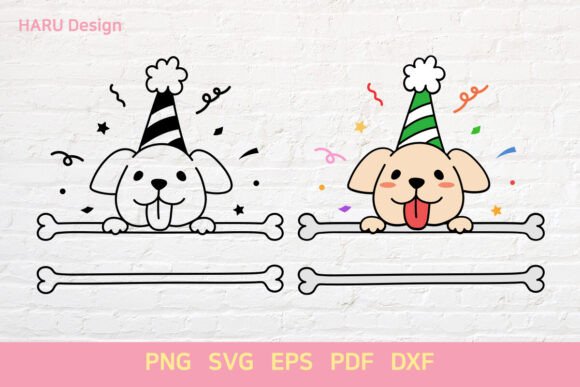
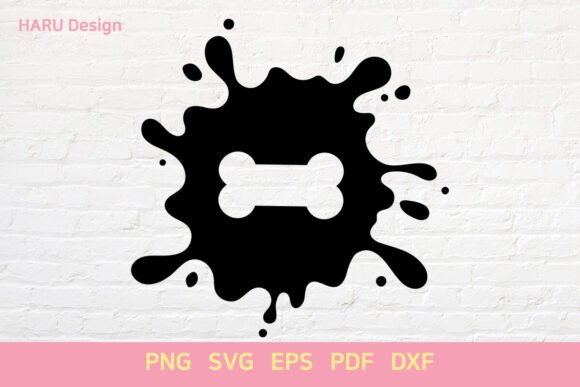
The Ink Dog Bone Print has a playful yet clean visual personality. It is not overly cutesy or childish, which makes it useful for a wide range of customers who love dogs but want something that feels modern and not cluttered. The bone motif is instantly recognizable, and the ink-style rendering adds a hand-drawn quality that gives finished products an artisan feel. That detail level matters when you are trying to stand out at a craft fair or in an Etsy listing.
Because the design comes as an SVG, EPS, PNG, PDF, and DXF file, you have flexibility to use it not only for embroidery but also for printable mockups, digital product previews, and even vinyl cutting if you offer mixed-media items. That kind of versatility is especially valuable for an Etsy seller or small shop owner who wants design assets that work across multiple product lines.
Real-Life Scenario: The Custom Tote Bag Test
I decided to test Ink Dog Bone Print on a sturdy cotton tote bag for a local pet boutique. The tote bag design needed to feel approachable and durable, since it would carry dog treats, leashes, and everyday items. I stitched the design using a medium-weight cutaway stabilizer and a 260×200 mm hoop. The satin stitch outlines came through crisp, and the fill stitch areas covered evenly without puckering. The bone shape remained recognizable, and the ink-style lines added texture that looked almost hand-sketched up close.
The boutique owner was pleased because the tote bag design looked professional but still friendly. Customers responded well, and several asked if the design was available on sweatshirts and aprons. That is a good sign: when a single embroidery project sparks interest across multiple product types, you know the design has commercial potential.
Where Ink Dog Bone Print Works Best
From my testing, the design suits a number of applications well:
- Custom apparel: Sweatshirts, t-shirts, and baby bodysuits benefit from the moderate detail level. The design does not overwhelm small garments, and the dog bone motif is widely loved.
- Embroidered patches: Because the artwork is self-contained, it makes excellent iron-on or sew-on patches for jackets, bags, and caps.
- Home decor: Pillow covers, tea towels, and nursery decor items like wall hangings or blanket accents work nicely. The ink style adds a handmade charm that fits modern farmhouse or rustic interiors.
- Gifts and personalized items: Dog owners enjoy receiving items that feature a simple, recognizable bone design. It works for wedding favors, holiday gifts, and pet-related presents.
- Small business merchandise: If you run a craft business, the design can be used on aprons, caps, and even cap sleeves for boutique branding.
The 12in×12in artboard size gives you room to scale the graphic up or down while keeping good proportions. Just keep in mind that extreme resizing in your embroidery software may affect stitch density and clarity, so always preview before stitching.
Where to Use This Design Carefully
No design is perfect for every surface, and Ink Dog Bone Print has a few limitations worth noting:
- Small hoop sizes: If you are working with a mini hoop or tiny garment area, the design may lose some of the ink-style detail. I recommend keeping the finished stitch area at least 3 to 4 inches wide for the bone outlines to remain distinct.
- Thin or stretchy fabric: Lightweight knits and jersey fabrics can cause distortion if you do not use a firm stabilizer. A tear-away may not be enough for the fill stitch sections; a cutaway stabilizer is safer.
- Dark fabric: The design relies on contrast between the ink lines and the background. On black or very dark fabric, consider using a light thread color or a white underlay to keep the bone shape visible. Test a small sample first.
- Curved surfaces like caps: The bone shape is fairly straightforward, but the ink-style lines may need slight digitizing adjustments to sit well on a curved cap front. A flat test on a curved hoop frame is recommended.
- Dense stitch areas: If you scale the design up significantly, check the stitch density to avoid excessive thread breaks or fabric distortion. Adjust pull compensation if your software allows.
How It Affects Product Value and Customer Trust
When a customer receives a handmade product with a clean, well-stitched design, they perceive higher value. Ink Dog Bone Print has a professional look that supports that perception. The ink-style rendering avoids looking like a generic clip art bone, which helps your shop stand out. Buyers notice when a design has thought behind it, and that builds trust and repeat business.
For an Etsy seller or craft fair vendor, using a design that reads well from a distance and holds up after washing is essential. I washed my tote bag test sample several times, and the satin stitch remained intact with no loosening. That kind of durability is important for products that need to survive daily use.
Practical Designer Notes Before You Stitch
Before you commit Ink Dog Bone Print to a client project or a production run, take these steps:
- Test the design on scrap fabric first. Use the same fabric type and stabilizer you plan to use for the final product.
- Check thread color contrast against your chosen fabric. A light bone on a medium grey or a dark bone on a cream background often works best.
- Review stitch density in your embroidery software. If the design appears too dense, reduce the scale slightly or adjust the fill stitch settings.
- Confirm hoop size. The files are based on a 12in×12in artboard, but your actual stitch area will depend on the machine and hoop you use. Always verify dimensions before loading the design.
- Inspect small details. The ink-style lines may have thin sections that could break if the fabric is rough or the needle is too large. Use a sharp 75/11 or 80/12 needle for best results.
- Test the design in black and white mockups. This helps you see how the bone shape reads without color distractions, especially if you plan to offer monogrammed or single-color versions.
- Compare light and dark fabric backgrounds. Some versions of the design may look better on one than the other, so test both if your product range includes multiple colors.
- Use proper stabilizer. For most woven and knit fabrics, a medium-weight cutaway stabilizer will give you clean results. For towels or fleece, consider a water-soluble topping to keep the stitches from sinking.
- Check licensing before selling finished items. Since you are working with a graphic file that includes multiple formats, confirm whether the license allows commercial use, especially if you plan to sell finished products or digital product previews.
Final Thoughts on Practical Use
Ink Dog Bone Print is a solid addition to any embroidery designer's library, especially if you serve customers who love dogs or want simple, artisan-style graphics. It works across apparel, home decor, patch making, and gift items. The Crafts category is appropriate, and the Graphics type gives you flexibility beyond just embroidery. Just remember to test, adjust for fabric and hoop size, and keep the design scaled within its sweet spot for detail clarity.
If you are an Etsy seller, small shop owner, or handmade product creator, this design can become a reliable option that customers recognize and request. And in this business, that kind of trust is worth more than any single sale.