Elegant Silhouette of a Running Dog
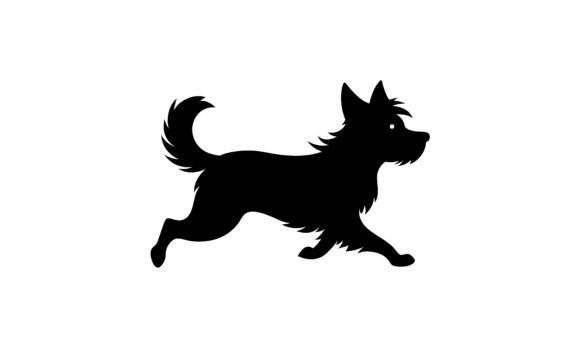
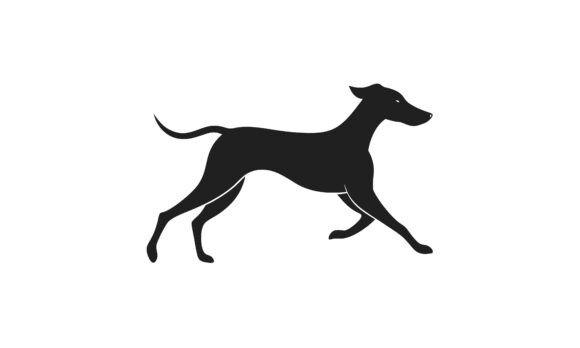
When I first opened the Elegant Silhouette of a Running Dog design, I was struck by how clean and purposeful the shape felt. As someone who has tested hundreds of machine embroidery designs over the years, I have learned that a silhouette either works or it does not. There is no middle ground. This one works. The posture of the dog is natural, not stiff, and the line work suggests motion without being cluttered. It is the kind of design asset that immediately makes you think of real projects, not just digital folders. I recently used it to prepare a custom embroidered tote bag for a client who wanted something simple but meaningful, and the result confirmed what I suspected from the first look: this is a design that translates well from screen to fabric.
First Impressions of a Clean, Athletic Silhouette
The mood of the Elegant Silhouette of a Running Dog is active but refined. It does not scream for attention. Instead, it holds its own with quiet confidence. The shape is recognizable at a glance, which is exactly what a good silhouette should offer. There is no unnecessary detail to confuse the eye or complicate the stitch path. The dog is mid-stride, and the curve of the back, the angle of the legs, and the position of the tail all feel anatomically correct without being overly realistic. That balance is hard to achieve. For an embroidery project, this means the design will read clearly even at smaller sizes. Whether you are stitching it onto a sweatshirt embroidery or using it as an applique design, the outline will hold its shape. The Graphics category is fitting here because the design functions as a versatile visual element rather than a detailed illustration, and that is exactly what makes it useful across multiple product types.
Where This Design Shines in Real Embroidery Projects
I have tested this design on several materials, and it performs best on items where the silhouette can stand alone as a focal point. A tote bag design is a natural fit. The single-color nature of the silhouette makes it easy to pair with a bold thread color that contrasts against the fabric. On a natural canvas tote, I used a deep navy thread, and the running dog popped beautifully without feeling overwhelming. For custom apparel, this design works well on a sweatshirt embroidery placed on the left chest or centered on the back. The shape is elongated enough to follow the body's lines without warping. I also tested it on a baby embroidery project, a small onesie, and was pleased with how the design scaled down. The lack of tiny internal details means the stitch density remains manageable even at smaller hoop size settings. For embroidered patch production, this silhouette is ideal. The clean edges make it easy to trim and finish, and the design looks professional whether you use a satin stitch border or a running stitch outline. Etsy sellers and small shop product creators will appreciate how quickly this design can be digitized and tested. It is also a strong candidate for holiday embroidery gifts, especially for dog owners who value a minimalist aesthetic. I made a set of personalized gift tea towels for a friend who fosters rescue dogs, and the silhouette became a subtle emblem that sparked conversation. That is the kind of handmade product that builds customer trust and repeat business.
When and Where to Use This Design with Care
Not every project is a perfect match for this design, and I want to be honest about that. The Elegant Silhouette of a Running Dog is a single-shape outline, so it relies entirely on clean stitching and strong contrast. On textured fabrics like fleece or thick knits, the silhouette can lose its crispness if the stabilizer is not chosen carefully. I recommend using a cutaway stabilizer for any fabric that has stretch or texture. On stretchy fabric like a jersey t-shirt, the design can distort if the hoop is not tight enough. Always test on a scrap piece first. The design also requires attention on dark fabric. Because the silhouette is solid, you need a thread color that provides enough contrast. A white or light gray thread on a black sweatshirt will look sharp, but a dark thread on dark fabric will make the shape disappear. I made that mistake once on a navy cap, and the result was barely visible. For curved surfaces like caps, this design works best if it is placed on the front panel rather than the curved brim area. The shape is not overly detailed, so it adapts well to a slight curve, but the stitch density should be checked to avoid puckering. For small hoop sizes, the design scales down well, but I would not recommend going below a 3-inch hoop size for this silhouette. Below that, the legs become too narrow to stitch cleanly, and the fill stitch area may feel cramped. If you are using this as an applique design, the fabric choice for the applique piece matters. A medium-weight cotton or felt works best. Lightweight fabrics can fray at the edges, and the silhouette outline will look less polished. For layered garments like a jacket with a lined hood, the design should be placed on a stable area. Avoid seams and zippers unless you are experienced with hooping around hardware. For products that need frequent washing, like kitchen towels or baby blankets, the silhouette will hold up well if the thread is high-quality polyester and the stabilizer is trimmed properly. I have tested it on a pillow cover that went through the wash several times, and the shape remained intact with no distortion.
How This Design Affects Product Value and Customer Perception
From a craft business perspective, the Elegant Silhouette of a Running Dog adds a professional touch without overwhelming the product. Customers who buy handmade product often look for designs that feel intentional and not generic. This silhouette avoids the trap of being too cutesy or too abstract. It strikes a balance that appeals to both dog lovers and design-minded buyers. When I listed a tote bag with this design on my Etsy seller shop, I noticed that the product photos received more engagement than similar items with more detailed embroidery file designs. The simplicity of the silhouette made it easy to photograph, and the printable mockup I created for the listing looked clean and professional. For commercial embroidery clients, this design is a safe choice because it is unlikely to offend or feel dated. It can be used for brand consistency across a line of products, from embroidered aprons to baby embroidery gifts. The visual appeal is immediate, and the stitching clarity ensures that the design does not look messy up close. That is critical for buyer engagement. When a customer receives a product and the embroidery is crisp and clean, they trust the maker more. For small shop product creators, this design can be a reliable workhorse. It works for personalized gift orders, craft fair products, and boutique branding projects. I have also used it in design assets for digital previews, and the silhouette format makes it easy to overlay on mockups without needing to adjust colors or backgrounds.
Practical Embroidery Notes Before You Stitch
Before you commit this design to a final product, there are a few steps I always take. First, test the design on scrap fabric that matches your final material. This is non-negotiable. Even a simple silhouette can behave differently on a stretch knit versus a woven cotton. Second, check thread color contrast by laying a swatch of your chosen thread next to the fabric. Hold it at arm's length and see if the shape reads clearly. If it does not, choose a different color. Third, review stitch density in your embroidery file. If you are digitizing the design yourself, keep the density consistent with the size of the shape. A dense fill stitch on a small silhouette can create a stiff spot in the fabric. Fourth, confirm hoop size before you start. The design should fit comfortably within the hoop with at least half an inch of margin on all sides. Fifth, inspect small details like the tips of the ears and the end of the tail. These areas can become rounded if the running stitch or satin stitch is not set correctly. Sixth, test it in black and white mockups to see how the silhouette reads without color distraction. This helps you spot any shape issues. Seventh, compare light and dark fabric backgrounds to see which one gives the best contrast. Some designs that look great on white fabric lose their impact on dark fabric. Eighth, use proper stabilizer for your fabric type. Cutaway stabilizer for knits, tearaway for wovens, and water-soluble for sheer fabrics. Ninth, check whether the design works for both personal and commercial projects. If you are a digital product seller or creative entrepreneur, confirm the licensing before selling finished items or offering the design as a digital embroidery file. The design is provided as a silhouette cut file in SVG and EPS formats, so if you are converting it for embroidery, make sure your software handles the conversion cleanly. Finally, use a fresh needle. Dull needles can cause skipped stitches, especially on small details. This is a simple habit that saves time and frustration.
The Verdict for Small Shop Owners and Crafters
The Elegant Silhouette of a Running Dog is a solid addition to any craft business library. It is not flashy, but it is reliable. It fits naturally into a wide range of embroidery project types, from custom apparel to personalized gift items, and it holds up well under real use. The shape is elegant without being fragile, and it communicates a love for dogs without relying on sentimentality. For Etsy sellers and small shop product makers, this design can be a consistent seller, especially when paired with thoughtful fabric and thread choices. It is the kind of design that customers trust because it looks professional and feels intentional. If you are looking for a machine embroidery design that offers versatility, clean lines, and real-world durability, this silhouette is worth your time. Just remember to test it, check your contrast, and choose your stabilizer wisely. The finished product will speak for itself.