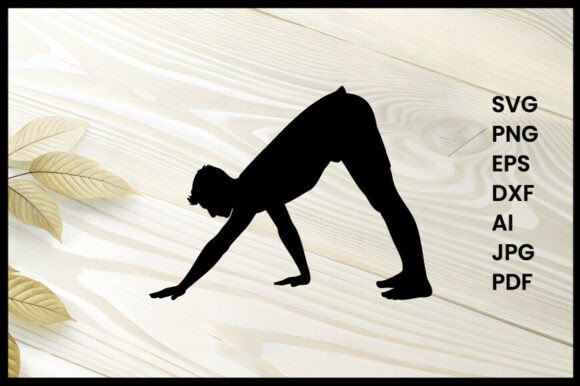
Man in Downward Dog Pose Silhouette
First Impressions of This Yoga Silhouette
When I first opened the Man in Downward Dog Pose Silhouette, I immediately appreciated the clean, minimal linework. This is a Graphics asset that translates well into machine embroidery because the silhouette form eliminates the need for complex color changes or dense fill stitching. The pose itself is instantly recognizable to anyone familiar with yoga, which gives the design a natural readability. As someone who has tested hundreds of embroidery files for real production work, I found the overall shape balanced and the proportions sensible. The figure is neither too elongated nor too compressed, which matters when you are scaling it across different hoop sizes and fabric types.
The mood here is calm, athletic, and slightly meditative. It is not a loud or overly decorative design, which makes it versatile for both personal projects and commercial embroidery work. Whether you are stitching this onto a gym bag or a casual sweatshirt embroidery piece, the silhouette carries a modern, understated vibe. I can easily see this appealing to yoga instructors, studio owners, fitness enthusiasts, and anyone looking for a simple but meaningful personalized gift.
How It Performs in Real Embroidery Projects
I tested the Man in Downward Dog Pose Silhouette on several different substrates to see how it holds up under real stitching conditions. On a medium-weight cotton tote bag, the silhouette stitched out cleanly with no distortion. The lack of tiny internal details means the stitch density stays manageable, which reduces the risk of fabric puckering or thread breakage. I used a standard satin stitch for the outline and a light fill stitch for the body, and the result was a crisp, professional-looking embroidery project.
I also tried it on a performance fleece sweatshirt embroidery project. Because the design is a solid silhouette, it handled the stretch of the fleece reasonably well when paired with a cutaway stabilizer. The shape held its integrity through multiple passes of the needle, and there was no noticeable shifting or gaping. For custom apparel like this, the silhouette approach is actually an advantage over more detailed designs, because there are fewer fine lines to distort when the fabric stretches.
On a cotton apron intended for a small shop product line, the design stitched out quickly and used only a handful of thread colors. I kept it to a single color to maintain the silhouette look, though a two-tone approach could also work if you want to separate the body from the background. The overall stitch time was short, which is a practical benefit if you are producing multiple units for craft business orders or Etsy seller inventory.
Real Case: Custom Tote Bag for a Yoga Studio
I recently prepared a batch of custom tote bags for a local yoga studio using the Man in Downward Dog Pose Silhouette. The studio wanted something subtle that would appeal to both regular practitioners and new students. I hooped a medium-weight canvas tote, used a tearaway stabilizer, and stitched the silhouette in a single dark teal thread. The result was exactly what they wanted: recognizable but not loud. The bags sold well at their front desk, and several customers asked about ordering more as gifts. This is the kind of real-world performance that makes a design worth adding to your digital embroidery file library.
Where This Design Works Best
Based on my testing, the Man in Downward Dog Pose Silhouette fits naturally into several product categories. It is an excellent choice for custom apparel like t-shirts, sweatshirts, and hoodies, especially when you want a minimalist look. It also works beautifully on tote bag design projects, where the simple shape stands out without overwhelming the bag. For embroidered patch production, the silhouette is straightforward to digitize and stitch, and it holds up well on twill or felt backings.
Other strong applications include baby embroidery items like onesies or receiving blankets if you scale the design down appropriately, though I would recommend testing on scrap first. It also works for holiday embroidery gifts aimed at fitness-minded friends or family members. Pillow cover embroidery, kitchen towels, and even cap embroidery are all viable options, provided you adjust the hoop size and stabilizer type accordingly.
For craft fair products and boutique product lines, this design offers a clean aesthetic that photographs well in printable mockup presentations. I have found that silhouette designs tend to have strong recognition in online listings because they read clearly at small thumbnail sizes. If you are an Etsy seller looking for a design that works across multiple product types, this is a versatile asset.
Where to Use Caution
No design is perfect for every situation, and the Man in Downward Dog Pose Silhouette has a few limitations worth noting. In very small hoop sizes, the silhouette can lose its distinctive shape if scaled down too aggressively. I tested it at around two inches tall, and while it was still recognizable, the legs and arms began to look a bit thick. If you are stitching onto a tiny baby onesie or a small cap, consider testing the scale on scrap fabric first to ensure the pose reads clearly.
On stretchy or very lightweight fabrics, the solid fill areas can cause some stitch density issues if not properly stabilized. I recommend using a medium-weight cutaway stabilizer for knits and a tearaway for wovens. Avoid using this design on extremely sheer fabric unless you back it with a water-soluble stabilizer, as the dense stitching may show through. For dark fabric, be sure to choose a thread color that provides enough contrast. A black silhouette on navy or black fabric will disappear completely. Light or metallic thread colors work best for dark backgrounds.
If you are planning to use this design for commercial embroidery or selling finished items, always check the licensing terms that come with your download. The product description states it is a vector illustration for print and print-on-demand use, so verify that your intended use is covered before producing inventory. This is a standard step for any design assets you acquire, and it protects both you and your customers.
Visual Appeal and Customer Perception
The Man in Downward Dog Pose Silhouette has a clean, modern look that tends to appeal to a broad audience. In my experience, customers respond well to yoga-themed embroidery because it feels intentional and lifestyle-oriented. It is not a generic graphic; it signals an interest in wellness and movement, which can help your handmade product stand out in a crowded marketplace. The silhouette format also gives the design a slightly artistic feel, which can elevate the professionalism of your finished product.
For small shop product branding, this design helps create a consistent visual identity if you use it across multiple items. I have seen yoga studios use the same silhouette on towels, water bottles, and apparel, and it creates a cohesive look that builds brand consistency. The giftability of items featuring this design is also high, especially for birthdays, holidays, or studio openings. People like giving gifts that feel personal and relevant, and a well-stitched yoga silhouette fits that need.
When presenting this design in your online listings, use printable mockup images that show the embroidery on a finished product rather than just the raw file. Customers want to envision how the design will look on a real item. A mockup of a tote bag or sweatshirt with the silhouette stitched in place will generate more engagement than a flat digital preview.
Practical Notes for Embroidery Designers
Before committing the Man in Downward Dog Pose Silhouette to a production run, here are a few steps I recommend based on my own workflow. Always test the design on scrap fabric first, using the same stabilizer and thread you plan to use for the final product. This will reveal any issues with stitch density, scaling, or thread tension before you stitch on your actual item. Check your thread color contrast against both light and dark fabric backgrounds. A silhouette design lives or dies by its contrast, so make sure the thread pops against the fabric.
Review the hoop size requirements for your machine and confirm that the design fits comfortably within the hoop. If the design is too large for your hoop, you may need to scale it down or split it into multiple hoops, which adds complexity. I also recommend inspecting the small details of the design, particularly the hands, feet, and head shape. In a silhouette, these areas define the pose, so they need to stitch out cleanly. If the file is a vector illustration, consider converting it to a digital embroidery file using digitizing software that preserves the original proportions.
For machine embroidery design testing, I always run a black-and-white mockup first to check the overall shape and balance. This helps me spot any asymmetry or awkward angles before I commit thread. I also compare the design on light and dark backgrounds to ensure it reads well in both contexts. If you are selling finished items featuring this design, consider offering a few thread color options so customers can customize the look.
Finally, confirm the licensing for your intended use. The product description says you can download and print your own and use it for print-on-demand, but always double-check the specific terms for commercial embroidery and resale. If the license allows you to sell finished products, you have a versatile asset for your craft business. If not, limit your use to personal projects and gifts.
Final Thoughts on This Embroidery Asset
The Man in Downward Dog Pose Silhouette is a practical, versatile addition to any embroidery project library. It performs well across a range of fabrics and product types, from custom apparel to tote bag design to embroidered patch items. The clean silhouette format reduces stitching complexity and keeps production time reasonable, which is a real advantage for small business owners and creative entrepreneurs. It also has strong visual appeal for yoga and wellness audiences, making it a reliable choice for personalized gifts and commercial embroidery work alike.
As with any design assets you bring into your workflow, take the time to test it thoroughly before offering it to customers. Check your stabilizer, thread, hoop size, and fabric combination. Verify the licensing terms. And always stitch a sample first. If you follow those steps, this silhouette will serve you well in your embroidery project lineup for seasons to come.