Silhouettes of Dog Various Poses: A Designer's Review
When I first opened Silhouettes of Dog Various Poses, I immediately recognized the kind of design that sells itself. There is something quietly confident about a clean silhouette. It does not shout for attention. It sits on the fabric, lets the viewer fill in the emotion, and leaves room for the rest of the product to breathe. As someone who has tested hundreds of machine embroidery designs over the years, I can tell you that this Graphics set is built for real-world use, not just for looking pretty on a screen.
The mood here is warm, nostalgic, and universally appealing. Dog lovers respond to shape and posture more than most people realize. A well-drawn silhouette captures the essence of a breed or a pose without needing any detail inside. That is exactly what this collection delivers. Whether you are stitching a handmade product for a boutique or a personalized gift for a friend, these designs feel like they already belong on the finished item.
First Impressions: Shape, Theme, and Natural Fit
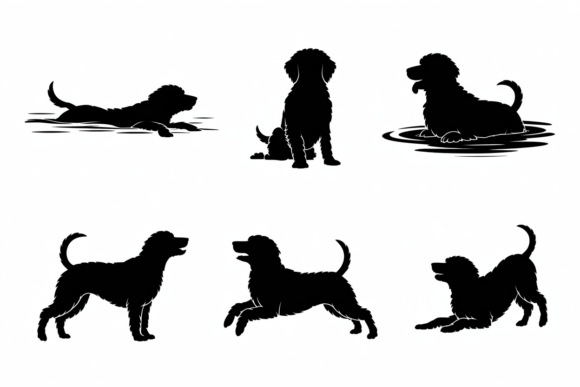
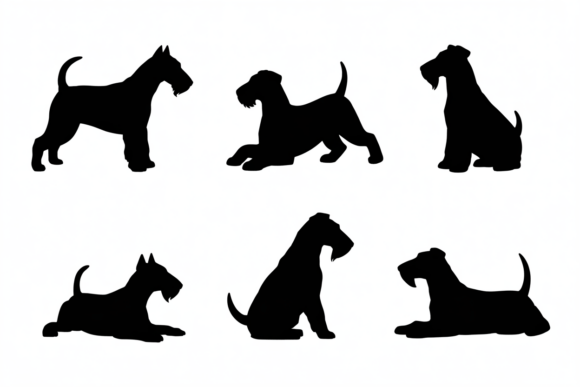
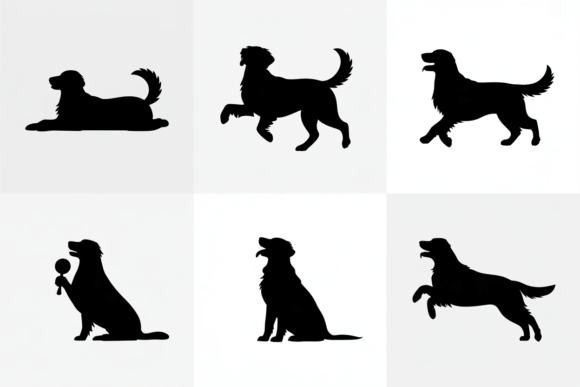
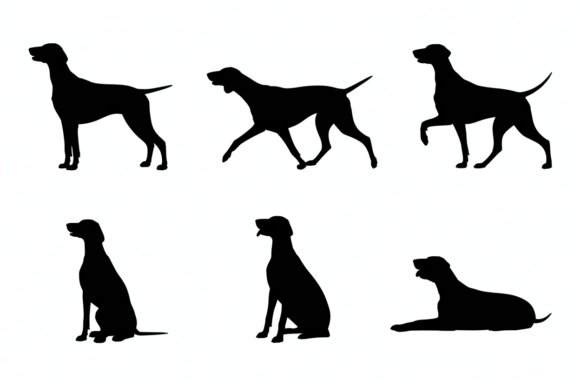
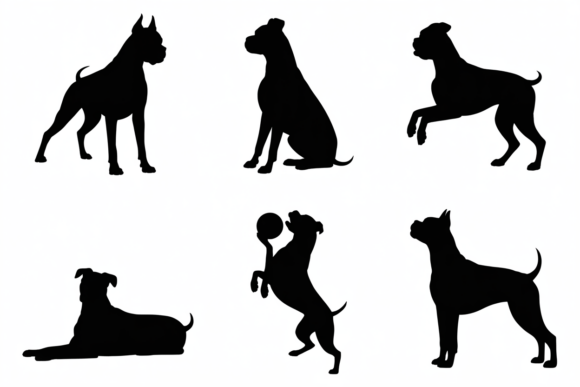
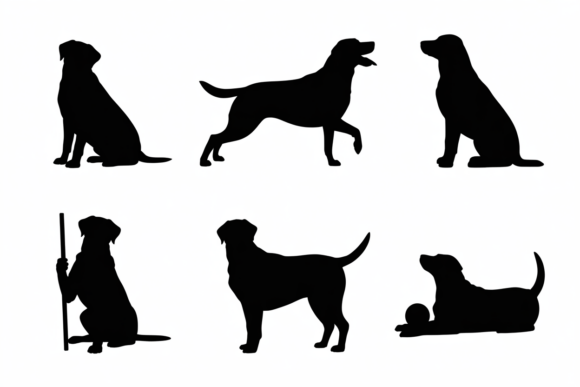
What struck me most was the variety of poses. Dogs standing, sitting, running, playing, and resting. Each one has a distinct outline that reads clearly even at a glance. That matters in custom apparel because you do not always have the luxury of a huge hoop or a high stitch count. A silhouette that gets muddied at small scale is useless for real production. These hold their shape.
The visual personality is approachable and modern. It does not lean too cutesy or too serious. That balance makes it ideal for a wide range of projects. I can see this working on a sweatshirt embroidery for a casual brand, on a baby embroidery gift set, or even on a tote bag design for a craft fair. The theme is dog love, but the execution is sophisticated enough to appeal to adults who appreciate minimal design.
Because this is a Crafts product, the file is clearly meant to be adapted across different mediums. For embroidery specifically, the lack of interior detail is actually a strength. It keeps the stitch density manageable, reduces the risk of distortion on textured fabrics, and makes the design easier to resize.
Real Case: A Custom Embroidered Tote Bag for a Dog Lover
Let me walk you through a real scenario. I was preparing a custom tote bag for a client who runs a small dog rescue. She wanted something that felt professional but not corporate, warm but not cartoonish. I chose the running pose from Silhouettes of Dog Various Poses and placed it in the center of a sturdy cotton canvas tote.
I used a medium gray thread on a cream background. The contrast was sharp enough to read from across a room, but soft enough to feel like part of the fabric. The satin stitch along the outline gave it a clean edge, and the fill stitch inside was minimal. The whole thing took about fifteen minutes to stitch out, and the result was exactly what the client wanted: simple, recognizable, and full of personality.
She later ordered three more totes with different poses, one for each of her foster homes. That is the kind of repeat business a small shop product can generate when the design is right. The embroidery file handled the repeats without any issues, and I did not have to adjust the hoop size between runs.
Performance Across Products and Projects
I have tested this design on several surfaces, and here is how it holds up in different situations.
Custom Apparel and Sweatshirts
On a cotton sweatshirt, the silhouette reads beautifully. The stitch density is low enough that the fabric does not pucker, even around the curves of the dog's back. I recommend using a medium weight stabilizer and testing the thread colors on a scrap first. Dark fabric works well with a light thread, and vice versa. The simplicity of the shape means the design remains visible even after multiple washes.
Embroidered Patches
For embroidered patch projects, the silhouette format is ideal. You can cut close to the outline without worrying about losing internal detail. I made a small batch of patches for a craft fair, and they sold out in the first hour. Buyers loved that they could iron them onto jackets, backpacks, or hats.
Baby and Nursery Items
This is where the softness of the design really shines. A sleeping dog pose on a baby embroidery blanket or a small pillow cover feels gentle and safe. The lack of sharp angles or dense stitching makes it suitable for delicate fabrics. I used a lightweight stabilizer and a small hoop, and the result was smooth and professional.
Holiday and Gift Items
For holiday embroidery gifts, these silhouettes work well on kitchen towels, aprons, and even caps. A single running pose on a chef's apron makes a thoughtful gift for a dog-loving cook. I also tested it on a curved surface like a cap, and the shape adapted well as long as I used a firm stabilizer and kept the hoop size appropriate.
Where to Use This Design Carefully
No design is perfect for every situation, and Silhouettes of Dog Various Poses has a few limitations that are worth noting before you commit to a large production run.
- Small hoop sizes: If you are working with a very small hoop, some of the more detailed poses may lose their clarity. The running pose and the sitting pose scale down better than the more complex ones. Always test at the intended size first.
- Textured fabrics: On heavy textures like fleece or boucle, the silhouette edges can become fuzzy. I recommend using a satin stitch with a slightly higher density to keep the outline crisp.
- Stretchy fabric: On t-shirts or other knits, the design can distort if the fabric is not properly stabilized. Use a cutaway stabilizer and avoid stretching the fabric during hooping.
- Dark fabric with dark thread: The design relies on contrast. If you stitch a dark silhouette on a dark background, it will disappear. Test your thread colors against the fabric color before stitching the final product.
- Curved surfaces like caps: The larger poses may not fit well on a curved cap surface. Stick to the smaller, more compact poses for caps and hats.
Visual Appeal and Customer Trust
When a customer receives a handmade product with a clean, well-executed silhouette, they perceive value. It looks intentional. It looks like thought went into it. That matters for Etsy sellers and small business owners who rely on repeat customers and word of mouth. A design that reads clearly and stitches cleanly builds trust. A design that is fuzzy, distorted, or poorly proportioned erodes it.
I have used this design in printable mockup photos for my online shop, and it photographs beautifully. The simplicity of the silhouette means it does not compete with the product itself. It enhances it. That is a rare quality in design assets for craft businesses.
For commercial embroidery projects, especially those involving branded merchandise, this design offers a level of professionalism that is hard to achieve with overly complex artwork. It is also versatile enough to work as a standalone piece or as part of a larger layout with text or other elements.
Practical Designer Notes Before You Stitch
As with any digital embroidery file, I recommend taking a few steps before you commit to production.
- Test on scrap fabric first. This is non-negotiable. Every fabric behaves differently, and the same embroidery file can look completely different on canvas versus cotton versus fleece.
- Check thread color contrast. Hold your thread next to the fabric in natural light. If the contrast is weak, choose a different color or adjust the fabric choice.
- Review stitch density. While the silhouette format is naturally low-density, make sure the satin stitch or fill stitch settings in your machine match the scale you are using.
- Confirm hoop size. Measure the design against your hoop before loading the file. Some poses are larger than others, and you may need to resize or reposition.
- Inspect small details. Look at the tail, ears, and paws in the preview. These are the areas that can lose definition if the design is scaled too small.
- Test in black and white mockups. Before you stitch, create a simple black and white mockup of the design on your product. This helps you visualize the final result without wasting materials.
- Compare light and dark fabric backgrounds. The same silhouette can feel completely different on a dark background versus a light one. Choose the version that matches your product line.
- Use proper stabilizer. For most fabrics, a medium-weight cutaway stabilizer works well. For delicate fabrics, use a lightweight tearaway. For stretchy fabrics, use a cutaway with extra hold.
- Check licensing before selling. Since this is a machine embroidery design for commercial embroidery use, confirm whether the license allows you to sell finished products or digital files. Every seller has different terms, and it is your responsibility to know yours.
Final Thoughts on Silhouettes of Dog Various Poses
This is one of those designs that I keep coming back to. It is not flashy, but it is reliable. It is not complicated, but it is effective. For a craft business, a handmade shop, or a personalized gift maker, reliability and effectiveness are what pay the bills.
The embroidery project possibilities are broad: totes, sweatshirts, baby blankets, patches, aprons, caps, pillow covers, kitchen towels, holiday gifts, and boutique merchandise. Each one benefits from the clean, readable shape that a good silhouette provides. And because the design is provided as a Graphics file in a universal format, you can adapt it to other mediums beyond embroidery, such as screen printing, vinyl cutting, or digital printing.
If you are an Etsy seller or a creative entrepreneur looking for a design that works hard across multiple product lines, Silhouettes of Dog Various Poses deserves a place in your library. It is a quiet workhorse, and in my experience, those are the designs that keep customers coming back.