Dog Paw Print Vectors: A Hands-On Review for Embroidery Designers
When you work with machine embroidery day in and day out, you learn to spot a design that will stitch cleanly versus one that will cause headaches. I spend a good part of my week testing embroidery files, digitizing custom work, and helping small shop owners choose patterns that actually hold up on real products. So when I came across Dog Paw Print Vectors, I wanted to evaluate it not just as a pretty graphic, but as something you could confidently stitch onto a sweatshirt, tote bag, or baby gift and feel proud to sell.
Let me walk you through what this design does well, where it might give you trouble, and how to get the most out of it in your own embroidery projects.
First Look: Clean, Recognizable, and Surprisingly Versatile
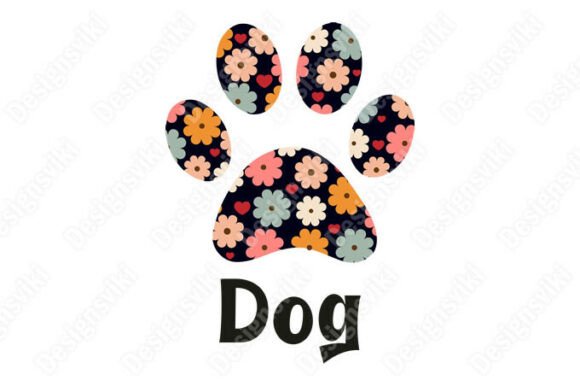
The first thing I noticed about Dog Paw Print Vectors is how straightforward and readable the shape is. There is no clutter, no unnecessary detail that would get lost at small sizes. The paw print silhouette is instantly recognizable, which matters more than you might think. When a customer buys a personalized gift or a handmade product featuring a paw print, they want it to read clearly from across a room. This design delivers that.
The mood is friendly, warm, and slightly playful without being cartoonish. It suits a wide range of projects, from dog lover gifts to boutique pet merchandise. Because it is a vector format, you have full control over scaling, which is a huge advantage when you are preparing an embroidery file. You can adjust the size to fit a baby onesie or scale it up for the back of a denim jacket without losing shape integrity.
If you are a digital product seller or Etsy shop owner looking to create printable mockups or design assets for pet-related branding, this pack gives you a solid foundation. The SVG and EPS formats make it easy to bring into your digitizing software, and the PNG version is handy for quick previews or listing photos.
Real-World Test: Stitching a Custom Tote Bag for a Dog Lover
To really evaluate Dog Paw Print Vectors, I used it to create a custom embroidered tote bag for a local pet boutique. I wanted to see how the design behaved on a medium-weight cotton canvas, a fabric I know many crafters and small shop owners work with regularly.
I imported the SVG into my digitizing software, adjusted the size to roughly four inches, and chose a simple satin stitch outline with a fill stitch for the main pad and toe pads. The result was clean and crisp. The paw shape translated well into stitch paths, and the curves of the pads were smooth without any jagged edges. On the finished tote bag, the design stood out beautifully against the natural canvas color. The boutique owner was thrilled, and I could see it becoming a repeat seller.
If you are thinking about using this for sweatshirt embroidery or holiday gifts, I would recommend testing it on a similar fabric weight first. The design works especially well on items like aprons, pillow covers, kitchen towels, and caps. For baby embroidery, scaling it down to a small size for a onesie or blanket works great, but you will want to check your stitch density to avoid puckering on lightweight fabrics.
Where This Design Performs Best
Based on my testing, Dog Paw Print Vectors shines in a handful of specific applications:
- Custom apparel – T-shirts, sweatshirts, hoodies, and denim jackets. The paw print is bold enough to hold its own on a garment back or chest.
- Tote bags and aprons – These flat, stable surfaces let the design stitch out evenly without distortion.
- Patches – If you sew embroidered patches for dog rescue groups or pet boutiques, this shape works perfectly as a standalone patch or as part of a larger layout.
- Baby and kids items – Onesies, bibs, and small blankets become quick, sellable gifts with a cute paw print in a pastel thread color.
- Holiday and gift products – Think Christmas ornaments, gift tags, or personalized stockings for pet owners. The design feels special without being too complex.
- Printable mockups and digital product previews – The PNG version works well for showing off your finished products in an Etsy listing or on social media.
For commercial embroidery purposes, I can see this design being a reliable staple in any shop that caters to animal lovers. It is neutral enough to appeal to a broad audience but specific enough to feel thoughtful.
Areas Where You Should Use Caution
No design is perfect for every situation, and Dog Paw Print Vectors has a few limitations worth noting before you commit to a production run.
Small hoop sizes and tiny details – If you plan to stitch this design in a very small hoop, say under two inches, you may lose some of the pad separation. The toes can blend together if the stitch density is too high. Test it at your intended size first on scrap fabric.
Textured or stretchy fabrics – Fleece, thick knits, and stretchy jersey can distort the shape of the paw print if you do not use the right stabilizer. A tear-away stabilizer might work for stable fabrics, but for stretchy garments, I recommend a cut-away stabilizer to maintain the paw shape after repeated washing.
Dark fabrics – The design relies on clear contrast to read well. If you stitch it on a dark background with a dark thread, the paw pads can blend into the fabric. Pair it with a lighter thread color or use a white or light underlay to make the shape pop.
Curved surfaces like caps – Embroidering onto the curved front of a cap can distort the symmetry of the paw print if you are not careful. Hoop the cap properly and consider using a cap frame to keep the design aligned.
Dense stitch areas – Because the pads are solid shapes, you might be tempted to pack in a lot of stitches for a plush look. That can cause stiffness and poor drape on soft garments. Keep your stitch density moderate, especially for apparel that needs to move with the wearer.
How It Affects Product Value and Customer Trust
In the world of handmade products and craft business, the little details matter. A clean, well-stitched paw print can elevate a simple tote bag into a gift that feels intentional. Customers notice when the embroidery is crisp and the design is well placed. Dog Paw Print Vectors gives you a professional foundation to build on, and that translates directly into customer trust.
For Etsy sellers and small shop owners, having a design that stitches reliably on the first try means fewer wasted materials and less frustration. That consistency helps you maintain a steady workflow and meet production deadlines. When you sell finished products featuring this design, your buyers are getting something that looks polished and will hold up over time.
The design also works well for brand consistency if you offer multiple pet-related items. Using the same paw print shape across apparel, home decor, and accessories creates a cohesive look that customers recognize. That kind of brand recognition is hard to achieve with one-off designs.
Practical Embroidery Designer Notes Before You Start
Before you load Dog Paw Print Vectors into your machine, here are a few practical steps I recommend based on my experience:
- Test on scrap fabric first – Always stitch a sample on the exact fabric you plan to use. This lets you check size, thread tension, and stitch density before committing to the final product.
- Check thread color contrast – Lay your thread next to the fabric and view it from a few feet away. If the paw print blends in, switch to a contrasting color.
- Review stitch density in your software – If your digitizing program shows density warnings, adjust the settings to avoid overly thick stitching that could damage delicate fabrics.
- Confirm hoop size compatibility – Since the exact hoop size is not specified in the pack, measure your design after scaling and make sure it fits comfortably within your hoop with room for stabilization.
- Inspect small details at scale – Zoom in on the toe pads and the main pad to ensure they remain distinct at your chosen size. If they merge, consider increasing the spacing or using a running stitch outline to separate them.
- Test in black and white mockups – Before stitching, view the design in monochrome to check that the shape reads well without color reliance. This is especially useful if you plan to offer the design in multiple thread colors.
- Compare light and dark fabric backgrounds – Stitch a sample on both a light and a dark fabric to see how the design performs. You may need to adjust underlay or thread color for dark grounds.
- Use proper stabilizer – For most woven and stable fabrics, a medium-weight tear-away works fine. For knits and stretchy materials, choose a cut-away stabilizer to prevent distortion over time.
- Verify licensing terms – The pack includes SVG, EPS, DXF, PNG, and PDF formats, but I always recommend confirming whether the license allows commercial use of finished products and digital resale before listing items in your shop.
Final Thoughts on Bringing This Design into Your Workflow
Dog Paw Print Vectors is a practical, well-executed design that fits naturally into the daily work of an embroidery professional or hobbyist. It does not try to be overly complex, and that is exactly what makes it useful. You can use it for custom apparel, handmade gifts, boutique merchandise, or digital product previews without worrying about details that fall apart during stitching.
If you run a craft business or sell on Etsy, having a dependable paw print in your design library saves time and lets you focus on the parts of your work that matter most, like choosing thread colors, positioning the design on the product, and delivering something your customers will love. For pet-themed projects, this one earns a solid spot in my rotation.
Whether you are stitching a personalized gift for a dog owner, creating a batch of embroidered patches for a local rescue, or building a cohesive product line for your small shop, Dog Paw Print Vectors gives you a clean, versatile starting point. Test it at your intended size, pair it with the right stabilizer, and you will have a finished product that looks professional and sells well.